Billy wallson
Senior DirectorEmbracing patina, tarnish, and gentle decay as design features rather than flaws in a cozy gothic interior.
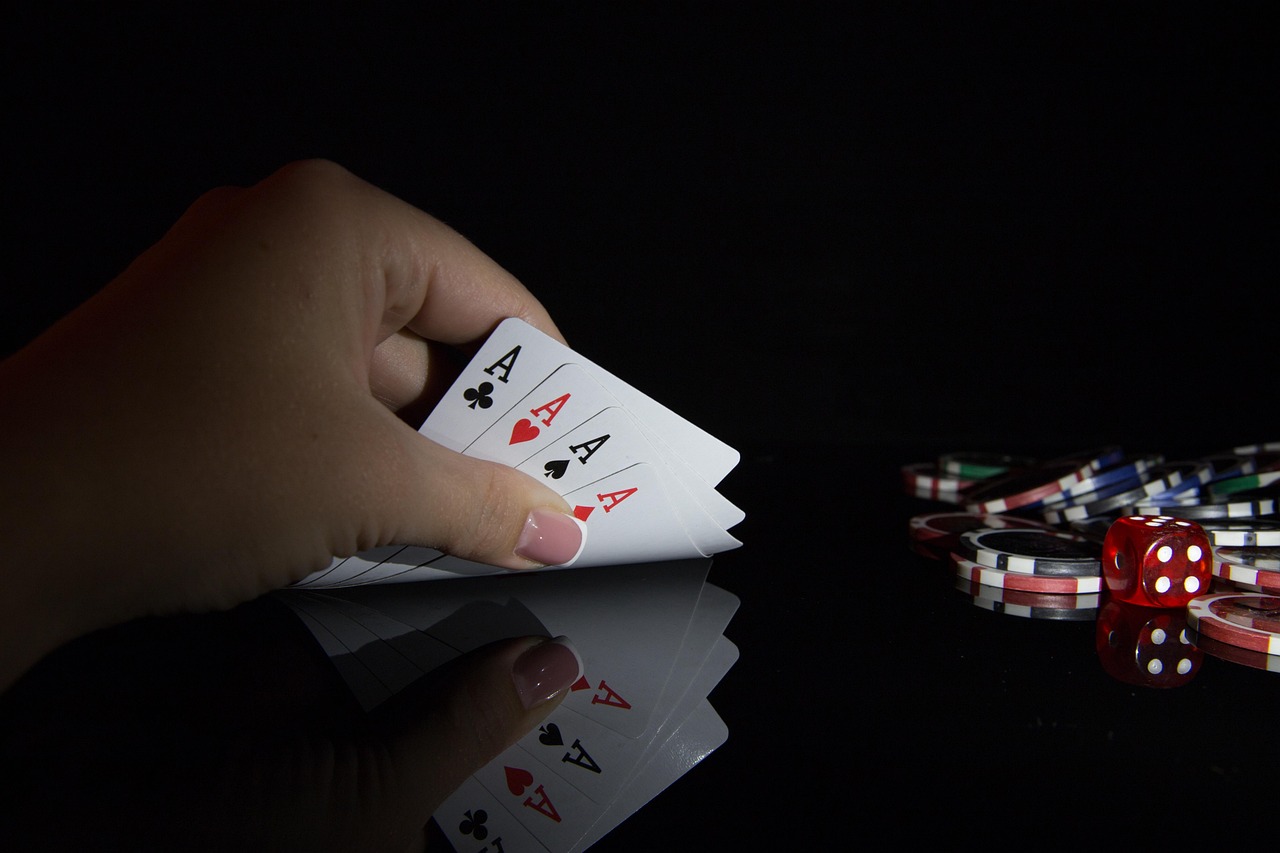
Most people who lose money at online casinos don't lose because they're unlucky. They lose because nobody ever explained to them how the machinery actually works — the house edge, the variance, the difference between a game where skill matters and one where it absolutely doesn't. Once you understand those mechanics, the entire experience changes. You stop chasing fantasies and start making deliberate choices. That's what this article is about.
Every casino game carries a mathematical advantage for the operator. That's not a conspiracy; it's the business model. On European roulette, the single zero gives the house a 2.7% edge. On American roulette, the double zero pushes it to 5.26%. Blackjack played with basic strategy can shrink the house edge below 1%, which is why it's the darling of advantage players. Slot machines, meanwhile, often sit somewhere between 2% and 10%, depending on the game and the jurisdiction.
But here's where most players go wrong. They treat the house edge as if it's a tax they pay per spin. It isn't. The house edge is a long-run average over hundreds of thousands of hands. In any single session, variance dominates. You can play a 96% RTP slot for an hour and walk away up 200%, or you can play a 99% RTP blackjack game and lose eight hands in a row. The edge doesn't guarantee you lose tonight. It guarantees the casino wins eventually across millions of bets.
The practical takeaway: choose games with lower edges when you plan to play for a while, but understand that short sessions are governed far more by luck than math.
When people talk about slots, they obsess over RTP. That's fine, but volatility — sometimes called variance — is the number that will actually determine how your session feels.
If you're playing with $50, a 10,000x max win slot is not for you. Stick to low or medium volatility and set a loss limit. If you've got $500 and patience, high volatility can be worth the ride — but treat every session as entertainment spend, not investment.
Poker is different. You're not playing against the casino; you're playing against other players, and the casino just takes a rake. That single fact changes everything. Over a large sample, a skilled player can genuinely profit. But "skilled" is doing a lot of work in that sentence. สล็อต covers this in more detail.
The modern poker landscape is tough. Online cash games at low stakes are populated by solvers, HUDs, and players who've studied range charts for years. If you're new, your edge isn't in fancy bluffs — it's in discipline:
Tournaments are a different beast. The variance is enormous, the payouts are top-heavy, and the edge is thinner. A good tournament player might have a 20% ROI. That means for every $100 in buy-ins, they expect $20 profit — over hundreds of tournaments. One Sunday session can wipe out a month of grinding.
If you bet on sports casually, you probably use one sportsbook. That's a mistake. Prices on the same market vary wildly between books, and the difference between -110 and -105 on a coin-flip bet is the difference between losing long-term and breaking even.
Here's a concrete example. You want to bet $100 on an NFL team at -110. A win returns $90.91 profit. At -105, that same $100 returns $95.24. Over 100 bets, that four-dollar difference compounds into hundreds of dollars. Opening accounts at three or four reputable books and checking odds before every bet is, dollar for dollar, the most valuable habit in sports betting.
Beyond line shopping, understand closing line value. If you consistently bet numbers better than the closing line, you're likely a long-term winner. If you consistently bet worse, no amount of "gut feeling" will save you.
No strategy survives bad bankroll management. You can be the best poker player in your city and go broke because you played $5/$10 with a $300 roll. You can hit a 2,000x slot jackpot and lose it all in a week because you raised your stakes instead of withdrawing.
The rules are simple, even if following them isn't:
iGaming isn't a get-rich-quick scheme, and anyone who tells you otherwise is selling something. It's entertainment with a built-in cost, like a concert ticket or a nice dinner. The players who enjoy it most are the ones who understand the math, respect the variance, and never bet more than they can shrug off. Whether you're spinning slots, grinding micro-stakes poker, or shopping NFL lines, the fundamentals are the same: know the edge, manage the bankroll, and treat every session as a night out — not a retirement plan.
From crushed velvet throws to yellowed lace curtains, the right fabrics can make any room feel like a forgotten manor library.

Using candles, incense, dried botanicals, and subtle home fragrances to build a warm, layered atmosphere without overwhelming the senses.
A guide to arranging vintage finds, natural specimens, and small treasures into a display that feels like a Victorian collector's study.

Discover how faded florals, damask patterns, and layered paint finishes can give your walls the depth of a century-old home.

Embracing patina, tarnish, and gentle decay as design features rather than flaws in a cozy gothic interior.

From crushed velvet throws to yellowed lace curtains, the right fabrics can make any room feel like a forgotten manor library.

Copyright © 2026 Cobweb and Candle. All Rights Reserved.




Roseanne Williams
Sep 8, 2026 ReplyLearn how to turn harsh overhead lighting into a soft, mysterious glow that makes every corner of your home feel like a Victorian parlor.